www.lnptree.com
www.lnptree.com
Going Above and Beyond

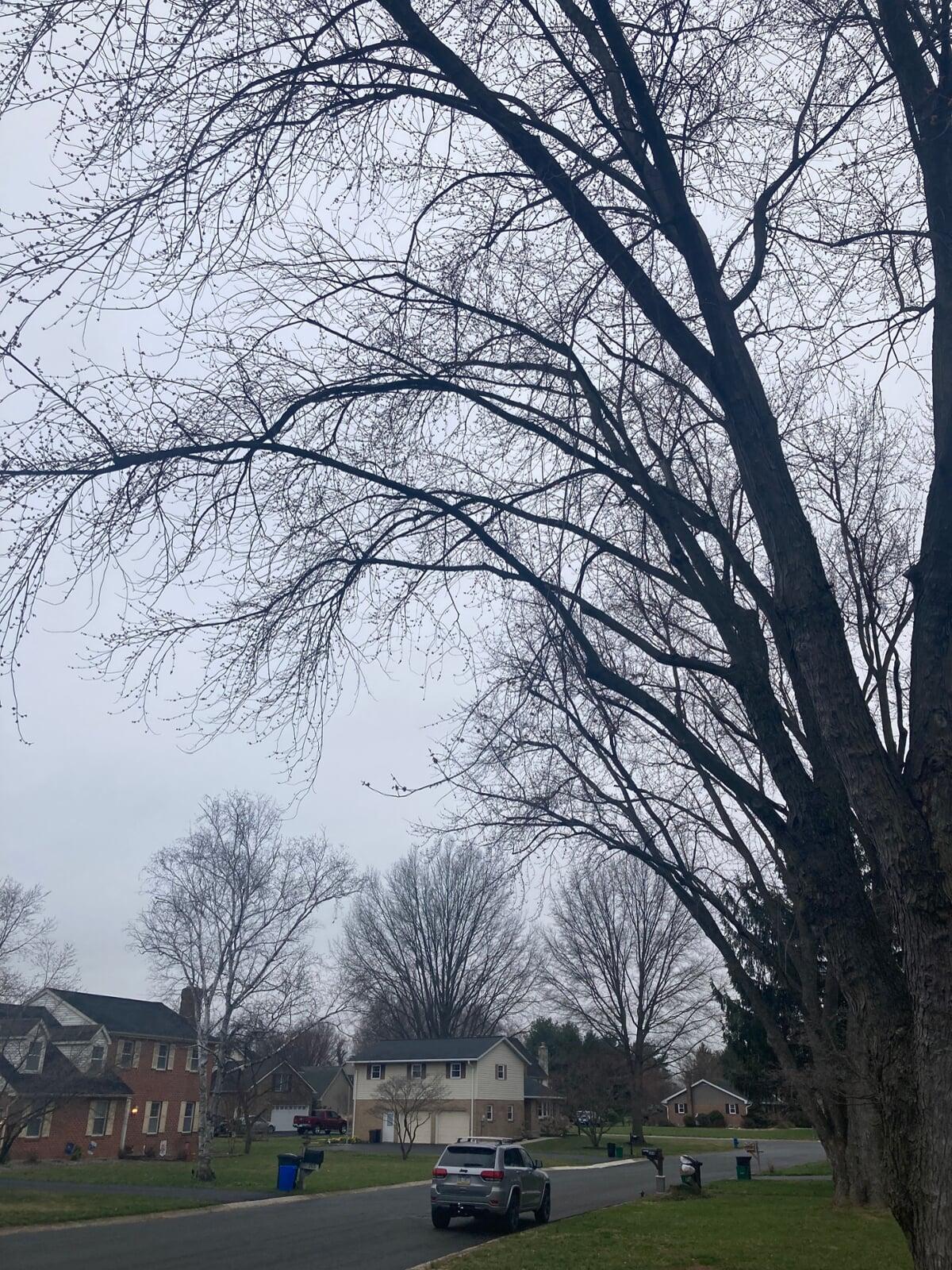
On this property there were two maples that took the cake. The general shape was natural these trees were simply in need of a nice hair cut.

This is where my arborist brain had to go to work. There is an art and science to how to approach situations like this. 

My philosophy has always been to treat pruning like a hair cut not a buzz cut. 

We are not going for high and tight.
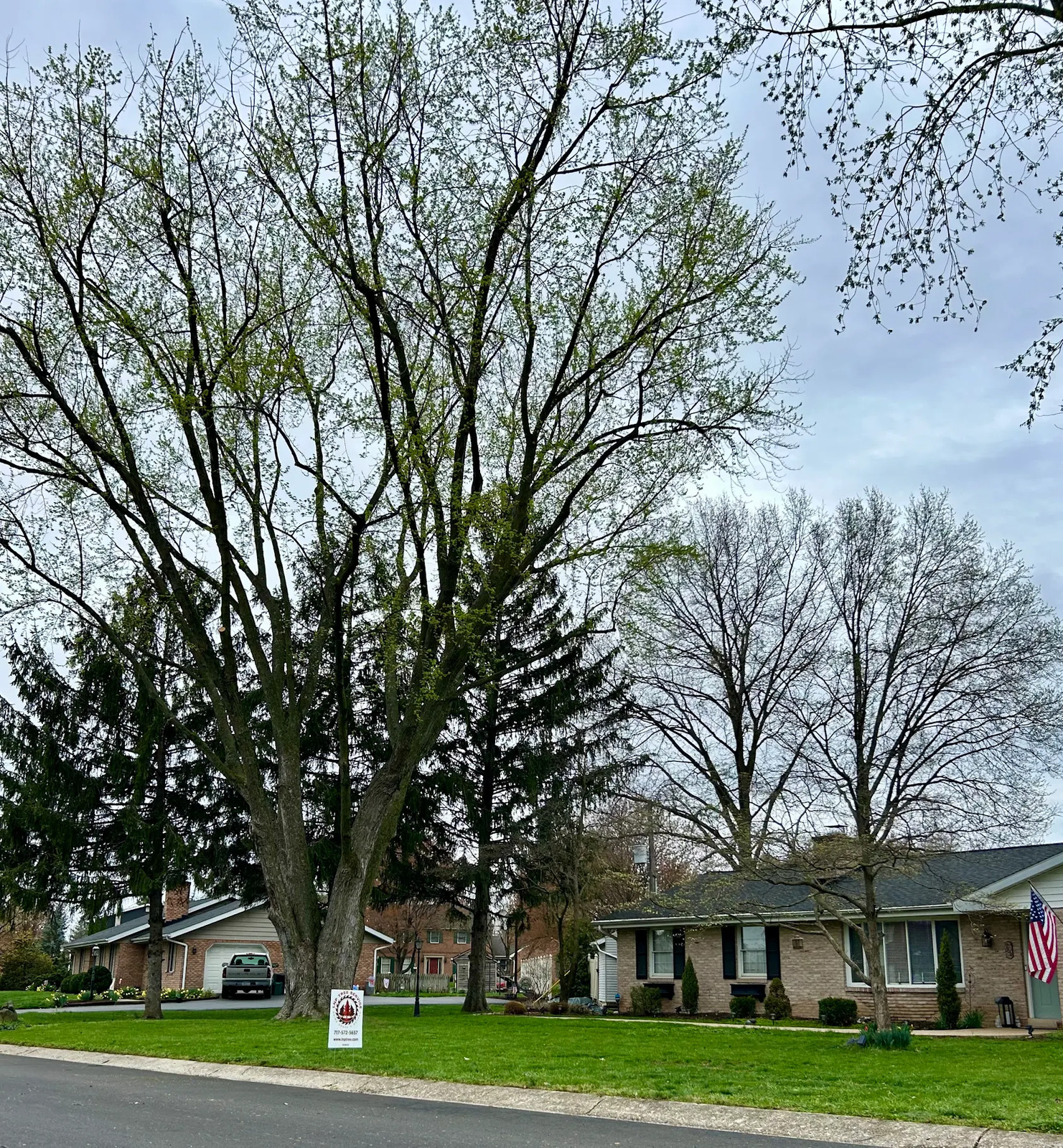
The after photo shows how we pruned back a few of the tips to balance out the tree's canopy. The tree pruning techniques we used were tip reduction and canopy thinning. What is great about this pruning is we are not going to have to revisit these trees for a few years now.

Click below to contact us

Click to Call Us
Click to Email Us
{ "@context": "https://schema.org", "@type": "FAQPage", "mainEntity": [ { "@type": "Question", "name": "When is the best time to prune trees in Lancaster County?", "acceptedAnswer": { "@type": "Answer", "text": "The ideal time for most local species in Pennsylvania is late winter or early spring while trees are dormant. This reduces stress and helps prevent disease spread." } }, { "@type": "Question", "name": "Do I really need a professional for tree pruning?", "acceptedAnswer": { "@type": "Answer", "text": "For large trees, professional pruning is vital for safety. We use specialized rigging and climbing equipment to ensure limbs are removed without damaging your home or the tree's health." } }, { "@type": "Question", "name": "Will pruning help my tree survive storms?", "acceptedAnswer": { "@type": "Answer", "text": "Yes. Structural pruning reduces wind resistance and removes dead or weak limbs, significantly lowering the risk of damage during ice or wind storms common in Lancaster County." } }, { "@type": "Question", "name": "What is the difference between thinning and topping?", "acceptedAnswer": { "@type": "Answer", "text": "Thinning improves a tree's health by removing specific branches for better airflow. Topping is a harmful practice that causes weak regrowth and decay; we follow ANSI A300 standards and do not top trees." } } ] }